
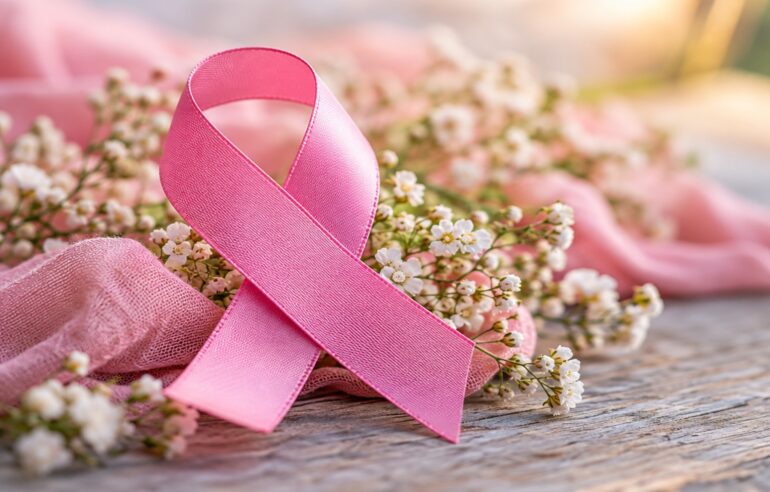
Beyond the Pink Ribbon: What Breast Cancer Awareness Still Needs to Get Right
Eighteen years after her diagnosis, physician, breast cancer survivor, and patient advocate Dr. Sheri Prentiss challenges us to look beyond awareness—and confront what it truly means to live with and beyond breast cancer.
By: Aryana Hadjimohammadi
Every October, pink ribbons, fundraising walks and awareness campaigns bring breast cancer into the public conversation. But for people living with the disease, the experience does not end when the month does. Treatment can leave lasting complications, medical expenses can continue to mount, and survivors may face a new reality long after their final appointment.
For Dr. Sheri Prentiss, a physician diagnosed with breast cancer in 2008, that gap between public awareness and patients’ everyday lives is central to her advocacy.
“I knew how to interpret a diagnosis,” Prentiss said. “I didn’t know how to explain to my daughters that their mother had cancer while they were already preparing to lose their grandmother.”
Her medical training had prepared her to understand disease and treatment. Becoming a patient showed her how much of the cancer experience extends beyond clinical decisions.
“For me, Breast Cancer Awareness Month isn’t simply about celebrating survival,” she said. “It’s about accepting responsibility for what survival has taught us.”
For Prentiss, the question extends beyond October: What happens after the immediate crisis has passed, and are survivors receiving the support they need?
“Medicine taught me how to recognize disease. Becoming a patient taught me how important it is to recognize the person living with it.”
“Awareness Is Only the Beginning”
Prentiss sees value in dedicating a month to breast cancer. Public campaigns can encourage conversations, raise funds and prompt people to seek medical advice. But visibility alone does not guarantee progress.
“Awareness should never be mistaken for accomplishment,” she said.
For Prentiss, the measure of a campaign is what changes because of it. Does someone seek screening or have a concerning change evaluated? Do health systems address gaps in care? Can patients obtain the treatment and support their doctors recommend?
“Those are the outcomes that give awareness its purpose,” Prentiss said.
She describes awareness, education and action as connected steps, with each building on the last.
“Awareness is the invitation,” she said. “Education is the bridge. Action is what ultimately changes lives.”
The need for continued support becomes especially clear after October, when public attention shifts elsewhere but patients may still be receiving chemotherapy, recovering from surgery or managing complications from treatment.
“I wish people understood that breast cancer is not a thirty-one-day experience,” Prentiss said.
For patients and survivors, the effects of the disease do not follow a calendar.
“Awareness should never be mistaken for accomplishment”
The Realities of Life After Treatment
There is no single breast cancer experience. The disease has different biological subtypes and stages, and patients can respond differently to treatment. Even after someone is declared cancer-free, the effects may remain. Fatigue, neuropathy, cognitive changes, emotional distress, changes in body image and lymphedema can affect daily life.
Prentiss said lymphedema, a condition that can cause swelling and other complications, permanently changed her ability to practice clinical medicine after cancer treatment. The experience helped shape her work in survivorship advocacy.
For Prentiss, lymphedema is not simply a complication from the past. It is a chronic condition requiring ongoing management—a daily reminder that the effects of cancer treatment can extend far beyond the treatment itself.
“And perhaps most importantly, I wish people understood that survival and recovery are not synonymous,” she said.
“Survival and recovery are not synonymous”
Life does not necessarily return to normal after treatment. Some survivors adjust to lasting physical changes, while others face financial strain, changes in relationships or uncertainty about whether their cancer will return.
There can also be pressure to remain positive, even when the experience has brought grief and loss.
“Gratitude and grief can coexist,” Prentiss said. “You can be thankful to be alive and still mourn what cancer took from you.”
“Gratitude and grief can coexist”
Through the LIVE Today Foundation, which she founded, Prentiss has encountered patients who have completed cancer treatment but cannot afford the compression garments needed to manage lymphedema.
“These aren’t cosmetic accessories,” she said. “They’re medically necessary components of managing a chronic condition.”
For these patients, completing treatment does not end their medical expenses or eliminate the need for continued care.
“We cannot celebrate a woman’s survival in October and ignore her struggle to obtain essential care in November,” Prentiss said.
She wants survivorship care to include ongoing education, monitoring, rehabilitation when needed, emotional support and access to resources. Patients should not have to navigate the next stage of their lives alone simply because active treatment has ended.
“We cannot celebrate a woman’s survival in October and ignore her struggle to obtain essential care in November”
When Care Exists but Remains Out of Reach
Access to care is another issue Prentiss wants awareness campaigns to address. Medical advances can offer patients new options, but those advances mean little if people cannot benefit from them.
“We may have an effective treatment, an evidence-based screening tool, or a medically necessary therapy,” she said. “But if a patient cannot access it, afford it, understand it, or navigate the system required to obtain it, its existence alone doesn’t solve her problem.”
Transportation, insurance limitations, out-of-pocket expenses, health literacy and geographic disparities can all stand between patients and the care they need. Prentiss also points to the unequal burden of breast cancer mortality among certain populations, including Black women.
Sharing information is only one part of addressing these disparities. Patients also need practical ways to obtain appropriate care.
That includes better attention to rehabilitation and survivorship services, particularly the early recognition and management of lymphedema.
“Lymphedema screening, for example, should not be treated as an afterthought,” she said. “Early recognition, appropriate evaluation, and timely intervention can make a meaningful difference in a patient’s long-term quality of life.”
Support must also account for the emotional and spiritual dimensions of living with cancer without assuming that every patient shares the same beliefs, coping mechanisms or support system.
“A truly patient-centered healthcare system doesn’t simply ask, ‘Did we treat the cancer?'” Prentiss said. “It also asks, ‘What does this person need to live well with everything that comes next?'”
For Prentiss, that question captures what comprehensive cancer care should address: not just treatment of the disease, but the support patients need afterward.
Early Detection Without Blame
Prentiss also wants awareness campaigns to emphasize early detection without making patients feel responsible for a diagnosis that occurs at a later stage.
Early detection can expand treatment options and improve outcomes, she said. But screening tests are not perfect, and breast cancer can develop and progress differently depending on its subtype and other factors.
“Early detection is not a guarantee, and a later-stage diagnosis is not necessarily evidence that someone failed to take care of herself,” she said.
She encourages people to become familiar with what is normal for their breasts, communicate changes promptly and discuss screening recommendations and individual risk factors with their health care professionals. A recent normal mammogram should not be a reason to dismiss a new symptom.
“Most importantly, if you believe something is wrong, don’t be afraid to ask questions or seek further evaluation,” she said.
Prentiss said health care professionals must listen, explain next steps and follow through, creating an environment where patients feel safe raising concerns.
Measuring What Changes
Prentiss wants Breast Cancer Awareness Month to be judged by more than the attention it attracts. She wants campaigns to demonstrate how they improve the lives of the people they aim to help.
“My hope is that Breast Cancer Awareness Month evolves from a predominantly awareness-centered observance into a more measurable movement for access, equity, survivorship, and meaningful outcomes,” she said.
That means looking at whether more people receive appropriate screening, whether patients with symptoms can access timely evaluation, and whether survivors can obtain follow-up care, rehabilitation and necessary medical supplies.
Prentiss also wants awareness efforts to reflect the range of experiences people have with breast cancer. That includes younger and older patients, men diagnosed with the disease, people living with metastatic cancer, survivors managing long-term complications and families who have lost loved ones.
“Not every breast cancer story ends with a celebratory bell-ringing ceremony,” she said. “Those stories deserve visibility too.”
Recognizing those experiences does not diminish the importance of celebrating survival. It acknowledges that gratitude, grief, hope and uncertainty can coexist, and that patients deserve support regardless of how their experiences appear to others.
For Prentiss, the pink ribbon should represent a commitment that lasts beyond October. Awareness can start a conversation, but patients need care and support long after public attention moves elsewhere.
“I want an October when the pink ribbon represents more than awareness of a disease,” she said. “I want it to represent a collective commitment to the dignity, well-being, and future of every person affected by it.”
For Prentiss, the message extends beyond Breast Cancer Awareness Month: the real test is whether awareness helps people obtain the care, resources, and understanding they need. The real test is whether the attention they generate helps people obtain the care, resources and understanding they need.
“Because awareness may begin with a ribbon,” she said. “But compassion, access, and meaningful support must continue long after October ends.”
For Prentiss, the message is ultimately both professional and deeply personal. “I don’t simply want us to think pink. I want us to think deeper, care longer, advocate louder, and remember the people behind every diagnosis.”
Where to Find Support
If you or someone you love is navigating breast cancer, you don’t have to figure it out alone. These organizations offer information, guidance and, in some cases, direct financial help.
LIVE Today Foundation
Founded by Dr. Sheri Prentiss, LIVE Today Foundation provides free, medically necessary, ready-to-wear compression garments to eligible cancer patients and survivors living with lymphedema who are experiencing financial hardship. The foundation also promotes education, awareness, and early recognition of cancer-related lymphedema.
American Cancer Society
A 24/7 helpline (1-800-227-2345), plus emotional support, practical resources and information for patients, survivors and caregivers.
National Lymphedema Network
Education and support for people living with or at risk for lymphedema, along with resources for caregivers and health care professionals.
Lymphatic Education & Research Network (LE&RN)
Funds research and advocates for better diagnosis and treatment of lymphatic diseases, including lymphedema.
The Conversation That Changes Everything
By: Aryana Hadjimohammadi
Aryana Hadjimohammadi is a journalist and writer, passionate about health, medicine, and patient-centered storytelling. Through her reporting, she explores the intersection of healthcare, research, and lived experiences to help readers better understand complex health topics.
Editor’s Note from Dr. Sheri®: I’m deeply grateful to Aryana Hadjimohammadi for taking the time to tell my story with such care. I hope that wherever you find yourself today, this story reminds you that even life’s most difficult chapters can become the foundation for purpose, hope, and service.
“As a physician, I knew the importance of treating the disease. As a patient, I learned that healing requires so much more—it requires caring for the emotional wounds that come with the diagnosis.”
The Diagnosis That Changes Everything
When Dr. Sheri Prentiss was diagnosed with breast cancer, her world shifted in an instant. “One minute you didn’t know you had it, and the next minute you do, but your identity doesn’t catch up that quickly,” Prentiss said.
Before she had time to process what the diagnosis meant for her own life, she felt pulled into managing everyone else’s emotions. “Before you’ve had a chance to really process what it means for you, you’re suddenly responsible for helping everyone else process it too,” she said.
As a doctor, she could parse the language in her reports. As a patient, those details faded into the background.
“As a physician, I understood the medical terminology, but as a patient, none of that mattered in the moment,” she said. “I wasn’t thinking about pathology reports. I was thinking about my daughters. I was thinking about my mother who was dying. I was thinking about whether the people I loved were about to lose me.”
“As a physician, I knew the importance of treating the disease. As a patient, I learned that healing requires so much more—it requires caring for the emotional wounds that come with the diagnosis.”
For her, the real ordeal wasn’t getting the words out. “The hardest part isn’t really saying the words ‘I have cancer,’” Prentiss said. “The hardest part is watching the people you love realize that life has changed for them too.”
“The hardest part isn’t really saying the words ‘I have cancer.’ The hardest part is watching the people you love realize that life has changed for them too.”
Who to Tell — and When
“There isn’t one right answer because every family and friend are different,” said Prentiss.
But she offers a general rule.
“I generally encourage patients to tell people who will be walking closest beside them sooner rather than later,” she said.
You don’t need every answer before you share.
“It’s perfectly acceptable to say, ‘I know I have cancer. I don’t yet know everything else,'” said Prentiss.
Waiting for certainty, she explains, only adds weight you don’t need to carry.
“Waiting until you have every detail often places an unnecessary burden on yourself,” she said. “So, it’s okay to let people walk through the uncertainty with you.”
“Don’t wait until certainty arrives before allowing yourself to receive support,” she added.
Not everyone needs to know right away — or at all.
“If you don’t take the opportunity to process it yourself, you’ll babble,” she said. “You’ll just be talking, and they won’t even be able to process it. You won’t even know how much to share or when to share.”
Taking time to process isn’t selfish. It’s necessary.
“Everybody is not meant to travel down this journey with you,” Prentiss said. “Some people may be more of a hindrance than a help. So, you need the time to process to understand for yourself, who do I want on this journey with me?”
“Who is safe?” she added.
How to Start
When it comes to beginning the conversation, Prentiss cautions against overthinking or rehearsing the perfect words. Sharing a cancer diagnosis isn’t a presentation, she explains. It’s simply a difficult truth being shared with someone you love—and sometimes the most powerful approach is the simplest one.
Keep it simple.
“I often tell patients to keep that first conversation very simple and start with something like, ‘I have something difficult to share. I’ve been diagnosed with cancer. I’m still learning exactly what this means, but I wanted you to hear it from me first,’ and then stop,” she said.
Then give the other person room.
“Silence is okay,” Prentiss said. “Give people room to absorb it and then go from there.”
And don’t feel pressured to answer every question.
“Only as much as you’re emotionally ready to share,” she said. “You’re not obligated to answer every question simply because someone asked.”
“Sometimes all you know is that you have cancer,” Prentiss added. “Sometimes that’s going to need to be enough.”
Tailoring the Message
Prentiss approaches each relationship differently.
Spouse or partner:
“If it’s your spouse or a partner, invite them into the journey because you are no longer carrying this alone,” she said.
Young children:
“Children usually imagine something worse than reality, so keep that in mind,” she said. “Be truthful. Be honest. But use age-appropriate language that helps them understand what’s happening without creating unnecessary fear. When children don’t understand something, their imaginations can quickly take them to the worst-case scenario.”
The interviewer asked Prentiss how a parent should respond when a child asks, “Are you going to die?”—a question she had to navigate with her own children.
“With a young child, you want to be truthful, but you also want to use age-appropriate language,” Prentiss said. “I don’t believe in simply saying, ‘No, I’m going to be fine,’ because that’s a promise you can’t honestly make.”
Instead, she recommends honesty with hope.
“Remind your children that none of us knows how much time we have or what the future holds,” Prentiss said. “But you can also reassure them that you don’t believe this is your time to go and that you’re going to do everything you can to be here.”
For Prentiss, that meant telling her children exactly what she was still fighting to see.
“I want to see you graduate from high school. I want to see you off to prom. I want to be at your weddings. I want to be there for the birth of your children. I can’t guarantee what life holds for me, but I can tell you this: I’m going to do everything I can to live, to live fruitfully, and to be here with you.”
That commitment also meant helping her children understand why she was willing to endure difficult treatment.
“When my doctor tells me I need chemotherapy, I’m going to get chemotherapy. If I need radiation, I’m going to get radiation—because Mom wants to be here for you.”
Adult children:
Parents often instinctively try to protect their children, even when those children are fully grown. Prentiss encourages parents to resist that instinct and allow adult children to step into a supportive role.
“No matter how old our children get, we still tend to think of them as our children and want to protect them,” she said. “But your adult children are grown, and they love you. They may desperately want the opportunity to support and care for you. Be honest with them—and give them permission to show up for you.”
Telling Her Dying Mother
Prentiss had planned to wait before telling her mother, who was already receiving inpatient hospice care. But her mother noticed the hospital band still around her wrist.
“My mom had become a patient expert by then,” Prentiss recalled. “Just as I was getting ready to walk out the door, she said, ‘Baby, why you got that? Why you got that thing on your wrist?’ And I thought, ‘Ah, shoot! I forgot to take it off.'”
Prentiss explained that she’d undergone testing. From that day forward, her mother asked about the results every time she visited.
So when the diagnosis finally came, Prentiss knew she couldn’t hide it from her.
What she hadn’t anticipated was how profoundly her own diagnosis would change the way she felt about her mother’s impending death.
“I had already accepted that my mother was dying,” Prentiss said. “As painful as that was, I had come to terms with the fact that I was going to lose her. But when I was diagnosed with cancer, suddenly I had to wrap my head around something entirely different: How was I going to fight for my own life without my mother here?”
Her thoughts immediately turned to her children as well.
“I wondered whether my children were going to experience two funerals in close succession—their grandmother’s and then mine. I wondered whether I would be well enough to help my mother through her final days. And I wondered whether I, too, would eventually end up in inpatient hospice.”
Against that backdrop, her mother’s response to the diagnosis became a moment Prentiss would never forget.
For nearly three years, as birthdays and holidays came and went, her mother had repeatedly wondered aloud, “I don’t know why I’m still here.”
“When I told her I had breast cancer, my mom—who was very weak at the time—sat up in her bed and said, ‘I know as your mom, I’m dying, and I really can’t help you, but no baby should get that diagnosis without her mom by her side. Now at least I know why God has kept me here.'”
In that moment, the woman who had questioned why her own life had been prolonged believed she had found her answer: she was still there to be a mother to her daughter when her daughter needed her most.
“People remember how safe you made them feel, not how many solutions you offered.”
What Helps — and What Hurts
The best response? Presence, not advice.
“My favorite response isn’t advice,” Prentiss said. “It’s presence. It’s saying, ‘I’m here. You’re not alone. How can I help?'”
She cautions against the familiar phrase, “Let me know if you need anything.”
“The intention is wonderful, but the problem is that patients often don’t know what they need—or we’re simply too overwhelmed or exhausted to ask for it,” she said.
Instead, loved ones can ask, “How can I help?” or, better yet, offer something specific.
“Cancer takes away so much of your autonomy. Receiving help shouldn’t feel like one more decision someone else is making for you.”
“When people asked me directly, it gave me permission to say, ‘I’m too sick to grocery shop. I may not be able to eat, but my children still need to eat. Could you bring groceries or pick up something for them?’ There were times I was simply too weak to cook.”
Help doesn’t always have to mean doing something, either.
“Sometimes you can simply ask, ‘Would you like me to listen? Do you need a sounding board?’ Not every problem needs to be solved.”
For Prentiss, the distinction comes down to creating emotional safety.
“People remember how safe you made them feel, not how many solutions you offered.”
“Faith doesn’t require us to explain another person’s suffering. Sometimes faith simply asks us to sit beside them in it.”
The hurtful ones:
Prentiss has heard plenty of well-intentioned comments that landed painfully—enough, she says, to fill nearly an entire chapter of her memoir.
One of the most common is, “I know exactly how you feel.”
“Even if you’ve had the same diagnosis and the same stage of cancer, you don’t know exactly how I feel,” Prentiss said. “You’re you, I’m me, and our circumstances are different. Every person’s cancer experience is uniquely their own.”
Comparisons can be equally unhelpful.
“Someone would say, ‘Oh, my aunt had cancer. She lived for 20 years until she lost the battle.’ And I’d think, ‘Oh, okay. Well, that wasn’t very helpful,'” she recalled. “Every cancer story is different.”
She also cautions against trying to rush someone toward positivity or meaning.
“‘Everything happens for a reason’ may be something a person eventually comes to believe for themselves, but they may not be ready to hear it from someone else,” Prentiss said. “And don’t tell someone, ‘You just have to stay positive.’ Cancer patients need permission to have bad days too.”
Even words rooted in faith can hurt when offered at the wrong time.
“I’m a woman of deep faith, and my faith was essential to me throughout my cancer journey. But sometimes we use spiritual words because we’re uncomfortable sitting with someone else’s uncertainty,” Prentiss said. “Faith doesn’t require us to explain another person’s suffering. Sometimes faith simply asks us to sit beside them in it.”
For Prentiss, that distinction matters. Faith can offer tremendous comfort without being used to explain away fear, grief or uncertainty.
“Don’t rush to fix someone’s pain,” she said. “Sometimes your presence is far more healing than your words.”
“Protecting your peace is part of your treatment.”
Setting Boundaries
As calls, texts and requests for updates begin to pile up, even well-intentioned concern can become overwhelming. Prentiss reminds patients that setting boundaries isn’t selfish.
“Protecting your peace is part of your treatment,” she said.
That may mean giving yourself permission not to respond to everyone individually.
“It’s okay to say, ‘I appreciate everyone’s love and concern. Right now, I don’t have the emotional energy to respond to individual calls and messages. I’ll share updates when I’m ready.'”
Another option is to designate a trusted family member or friend as the communication hub.
“Let someone else provide updates and answer questions for you,” Prentiss said. “It can reduce the emotional exhaustion tremendously.”
“Hope is not pretending everything is okay. Hope is believing that even if everything isn’t okay today, tomorrow still has possibilities.”
Permission to Grieve
A cancer diagnosis brings losses that begin long before anything is actually lost—the loss of certainty, a sense of safety, and sometimes the life you thought you were going to have. Prentiss believes patients need permission to grieve those losses.
“You need permission to cry. You need permission to be angry. You need permission to be afraid,” she said. “Those emotions don’t mean you’ve given up hope.”
For Prentiss, grief and hope are not opposites. They can exist at the same time.
“Hope is not pretending everything is okay,” she said. “Hope is believing that even if everything isn’t okay today, tomorrow still has possibilities.”
Keep Showing Up
Support often pours in immediately after a diagnosis. But Prentiss reminds loved ones that cancer is a journey, not a moment.
“Keep showing up,” she said. “Not just the first week or during treatment. Show up the second month, the fourth month, and after treatment ends.”
By then, much of the initial support may have disappeared.
“The meals eventually stop. The phone calls slow down. Everyone else begins returning to their normal lives—but the patient may still be trying to figure out what their new normal even looks like. The appointments continue. Recovery continues. And patients still need people.”
Finding Support
Prentiss encourages patients and families not to navigate the emotional weight of cancer alone.
“Start with trusted organizations like the American Cancer Society,” she said. “Many organizations offer emotional support services and resources online.”
She also encourages patients to begin with the team already caring for them.
“Speak to a social worker. Ask your breast surgeon, medical oncologist, or radiation oncologist: ‘What resources are available through this institution? Are there local or national organizations that can provide additional support?'”
Emotional support is just as important as medical treatment.
“We get so focused on the physical aspect of cancer that we sometimes forget the psychological aspect,” Prentiss said. “I encourage every patient to seek emotional support and, if possible, find a counselor who can help them process everything they are experiencing.”
Cancer affects more than the person diagnosed. Loved ones may also struggle with fear, anger, helplessness, or grief.
“If anger or fear is directed toward you, both of you may need emotional support,” she said. “Acknowledge their emotions, allow them to acknowledge yours, and seek the right resources to help everyone process what is happening.”
A Lesson in Expectations
Looking back, Prentiss realized one of the hardest parts of her cancer journey was not only the diagnosis itself—it was navigating the gap between the support she hoped for and the support people were able to provide.
“I wish I had not had such high expectations of other people based on either what I needed in the moment or how I had shown up for them throughout my life,” she said. “Because it left me disappointed.”
That disappointment became another form of grief she had to process.
“I had to step back and ask myself, ‘Wait, do these people love me? Do they really care about me?'” she said.
Ultimately, she realized the answer was yes.
“How could these people who I know truly loved me hurt me like this?” she asked. “And I came up with two reasons: either they gave everything they could, and it simply wasn’t enough, or they didn’t know what else needed to be given.”
That realization brought her peace.
“Either way, I was holding them responsible for something they could never fulfill,” Prentiss said. “At the end of the day, what I needed, I got. It just didn’t come from them.”
“Sometimes courage isn’t having confidence that everything will be okay. Sometimes courage is simply choosing hope before certainty.”
The Courage to Share
Sharing a cancer diagnosis requires a kind of courage that has nothing to do with having all the answers.
“Sometimes courage isn’t having confidence that everything will be okay,” Prentiss said. “Sometimes courage is simply choosing hope before certainty.”
For Prentiss, some of the hardest conversations were telling her children and telling her mother.
“My children were facing a double blow,” she said. “Their grandmother was dying, and now they had to process that their mother had cancer too.”
At the time of her diagnosis, Prentiss’s mother was in the final stages of her life, and her children were deeply connected to their grandmother.
“They were already preparing for the loss of their grandmother,” Prentiss said. “And now I had to introduce a diagnosis where their mother could also die. Telling them was incredibly difficult.”
Yet even in that moment of uncertainty, she chose honesty, love, and hope.
Your Story Is Still Being Written
“Cancer changes your life, but it does not define your life,” Prentiss said. “The diagnosis is a chapter; it is not the entire story.”
“Right now, you may not be able to see beyond this moment, but I want you to know something I couldn’t fully appreciate when I was first diagnosed,” she said. “There is life after cancer. There is purpose after pain. There is joy after grief.”
“And one day, if you allow this journey to shape rather than harden you, your story may become the very thing that gives someone else hope,” Prentiss said.
“You are still here, and as long as you are here, your story is still being written,” she added.
She speaks from experience.
“I refuse to be defined by my diagnosis,” she said. “Yes, I am a breast cancer overcomer. I will shout it from the mountaintops. But I’m not shouting it because cancer was an accomplishment I wanted to achieve—I didn’t want to have cancer at all. I shout it so that somebody else can see what is on the other side of that diagnosis.”
Nearly 18 years later, Prentiss knows cancer was not the end of her story.
“It was a very impactful chapter that helped write the rest of my story,” she said. “It will continue to impact my story for the rest of my life. But it wasn’t where the story ended.”
The book is still being written.
Learn More & Get Support
No one should have to navigate a cancer diagnosis alone. Whether you are newly diagnosed, supporting someone you love, or adjusting to life after treatment, having access to trusted resources and support can make a meaningful difference.
American Cancer Society
24/7 Helpline: 1-800-227-2345
cancer.org
American Cancer Society CARES
A free mobile app offering personalized support, resources, and connection throughout the cancer journey.
Lymphedema Support & Education
National Lymphedema Network (NLN)
Provides education, resources, and support for individuals living with or at risk for lymphedema, as well as information for patients, caregivers, and healthcare professionals.
LIVE Today Foundation
Founded by Dr. Sheri Prentiss, the LIVE Today Foundation supports cancer survivors living with lymphedema through awareness, education, advocacy, and access to medically necessary compression garments.
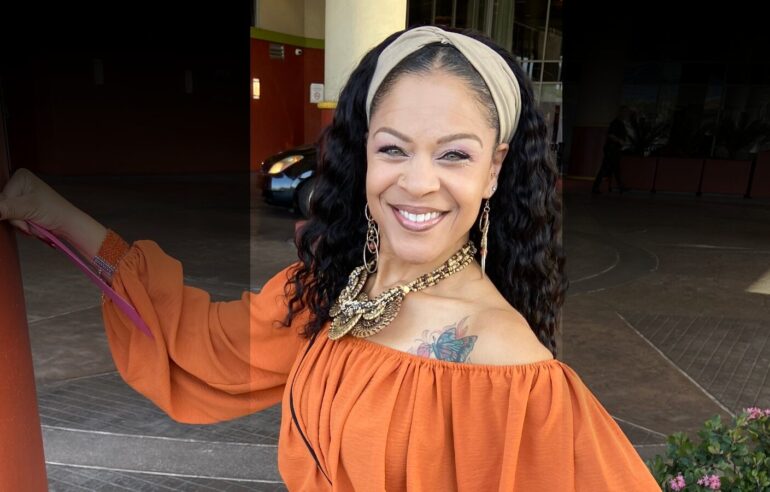
When Everything Changed: How Dr. Sheri Prentiss Discovered Her True Purpose
By: Aryana Hadjimohammadi
Aryana Hadjimohammadi is a journalist and writer, passionate about health, medicine, and patient-centered storytelling. Through her reporting, she explores the intersection of healthcare, research, and lived experiences to help readers better understand complex health topics.
Editor’s Note from Dr. Sheri®: I’m deeply grateful to Aryana Hadjimohammadi for taking the time to tell my story with such care. I hope that wherever you find yourself today, this story reminds you that even life’s most difficult chapters can become the foundation for purpose, hope, and service.
Originally written as a long-form profile exploring the life, faith, and purpose of Dr. Sheri®
“When I was growing up, my neighborhood was a village,” Dr. Sheri Prentiss recalls of her childhood on Chicago’s South Side. On her block, families treated one another’s homes as extensions of their own. Children drifted in and out of neighbors’ houses, and parents shared responsibility for every child.
“There wasn’t anything I could do on my block—or even a couple of blocks away—and think I was going to get away with it if it was wrong,” she said with a smile. “Somebody was going to tell my mama. The parents on our block looked after all of us. Family extended far beyond blood relatives. It wasn’t just the family you were born into—it was also the family you chose and the community that chose you.”
In that village-like environment, a young girl slowly realized what she wanted to do with her life: help people. “I honestly don’t remember a time when I wanted to be anything other than a physician,” she said.
As a child, she was captivated by the television series Marcus Welby, M.D. “I remember watching Marcus Welby and seeing a physician who seemed to know how to help every patient who came through his door,” she said. “He figured out what was wrong, he made people feel better, and he lived in a beautiful home and drove a nice car. As a little girl, that was the life I admired. My heart simply said, ‘I want to help people, and I want to live a life like that.”
But it was never just about the nice house or the nice car. “I’ve always been fascinated by science, but I was even more fascinated by people,” she said. “Growing up in church and in a neighborhood where everyone looked out for one another nurtured that fascination. Medicine brought those two passions together—the intellectual challenge of solving complex problems and the privilege of making someone’s worst day a little better.”
What stayed with her most was the way Marcus Welby showed up when people were scared. “I remember Marcus Welby could always come in, and when a family was distraught or a person was worried about their life or what was going to happen, he made them feel better,” she said. “That was what I wanted to do.”
For Prentiss, becoming a physician was never simply about earning a degree.
“It was about earning the privilege of being trusted during some of the most vulnerable moments of another person’s life,” she said.
“It was about earning the privilege of being trusted during some of the most vulnerable moments of another person’s life.”
That sense of purpose—rooted in genuine compassion and fueled by determination—guided her through graduating with honors from Northwestern University and Loyola University Chicago Stritch School of Medicine, earning a Master of Public Health from the University of Illinois, and building a distinguished career as a board-certified occupational and environmental medicine physician.
By 2008, she had built a life marked by accomplishment, productivity, and impact. “I was driven,” she said. “ Once I made up my mind that I wanted something, I pursued it wholeheartedly. I simply wasn’t going to let anything—or anyone—stand in my way.”
Then everything changed.
The Day Everything Changed
October 1, 2008, began like any other. Prentiss was waiting for a phone call about her mother, who was being transferred to inpatient hospice in the final stages of her life. While speaking with her daughters’ father, she performed her monthly breast self-examination.
“The moment I felt the lump, I knew exactly what it was,” she recalled.
Twelve days later, on October 13, a biopsy confirmed what she already suspected: Stage IIA invasive ductal carcinoma. She was a single mother co-parenting two preteen daughters, caring for her dying mother, and now preparing to fight for her own life.
“Everything seemed to stop,” she said. “In an instant, my mind shifted from physician to mother…from physician to daughter…and from physician to patient. I was caring for my mother in the final days of her life, navigating the end of a 17-year marriage, co-parenting two preteen daughters, and suddenly facing the fight of my own life.”
She remembers the questions that consumed her. “I wasn’t thinking about statistics,” she said. “I was thinking about my mother, who was nearing the end of her life. I was thinking about my daughters, who were still in middle school and high school. Would I live to watch them grow up? Would I be there for their birthdays…their graduations…their weddings?”
She also remembers the moment everything shifted. “In that single moment I crossed the line I never expected to cross. I went from physician to patient.”
“In that single moment I crossed the line I never expected to cross. I went from physician to patient.”
“For the first time, I wasn’t the person explaining the diagnosis, I wasn’t the one reassuring someone else, I was the one waiting for pathology reports, waiting for scans, waiting for lab results, waiting for someone else to walk through the door with answers, and you just quickly realize how vulnerable patients truly feel.”
What Treatment Really Looked Like
The treatment was brutal.
“I underwent what was supposed to be a lumpectomy,” she said. “Instead, my surgeon had to operate four times to achieve clean margins. By the time she was finished, half of my right breast had been removed.”
Sixteen lymph nodes were removed; three contained cancer. Then came 15 rounds of chemotherapy, which claimed every strand of hair on her body, followed by 33 radiation treatments.
“The radiation burned my right breast, chest, neck, and nipple,” she said. “My skin turned black. My fingernails darkened, and I lost several of them. I even lost both of my great toenails—twice.”
“I didn’t recognize the woman looking back at me.”
Then, in the middle of treatment, came another devastating loss. On a day when her white blood cell count had fallen to 1.8—too low to receive chemotherapy and leaving her dangerously immunocompromised—her mother died in her arms.
“My mom died in my arms,” she said quietly. “My white blood cell count was only 1.8, and I wasn’t supposed to be around anyone. But there was no way my mother was going to leave this earth without me by her side.”
She reflects on that season. “Those seasons when life doesn’t give you one crisis at a time. Sometimes they come all at once. And those seasons will either break you or build you. And I’m grateful to say the latter is in my case.”
She worried constantly about her daughters.
“My girls knew what cancer meant,” she said. “They watched their mother’s body change before their eyes, and then they lost their grandmother, whom they loved dearly. I can only imagine what was going through their minds. They had just lost Grammy…were they going to lose Mom too?”
She paused before continuing. “I did everything I could to reassure them. I gave them words of hope and encouragement, but deep down I didn’t know what the future held. I was telling them everything was going to be okay, while quietly wondering if I was going to live through it.”
When Treatment Ends, the Real Work Begins
Surviving cancer was not the end of the battle. It was the beginning of something else entirely.
“Lymphedema actually started when treatment ended, and now it’s something that I have to live with for the rest of my life,” she explains.
Lymphedema is a chronic condition where lymph fluid builds up in the body’s tissues, causing painful swelling. It affects one in five breast cancer survivors, according to Harvard Medical School. For Prentiss, it affects her right arm, hand, and fingers — and she is right-handed.
“I have permanent painful swelling in my right upper extremity,” she said.
The daily management never stops. “I perform manual lymphatic drainage massage on myself in the morning and again at night. I wear compression garments during the day, and a different type of compression garment at night. Some people need pneumatic devices to treat their lymphedema, and other various forms of treatment.”
The cost of these medically necessary garments is staggering. “An average daytime set could cost anywhere between $250 to $300. You need to have at least two sets of garments at all times, because while one set is air drying after washing, you need to have another set to wear.”
For custom garments, the cost is even higher. “My nighttime custom garments, cost $2,500 that was not covered by insurance.”
“I experienced firsthand how expensive compression garments are,” she said.
“Many survivors are living with lymphedema and don’t even realize they have it because they’ve been told it’s ‘just some swelling,'” she said. “Too often, they’re told, ‘But you survived,’ as though lymphedema is some sort of consolation prize. It isn’t.”
The financial burden is only part of the story. There is also the emotional and psychosocial toll—the self-consciousness of a swollen limb, the curious stares from strangers, the constant questions, and the daily reminder that cancer’s impact did not end when treatment ended.
“People often overlook the psychosocial impact of lymphedema,” she said. “Suddenly, a part of your body that was once private becomes visible to everyone, and it can feel like the whole world is looking at what’s different about you.”
She came to a difficult realization: “Surviving cancer shouldn’t depend on your bank account.”
A New Calling Is Born
Prentiss knew what it felt like to need help and to wonder how she would afford medically necessary garments for the rest of her life. And through her speaking career — she has delivered nearly 1,000 keynote speeches across the globe — she met thousands of survivors facing the same challenge.
“The foundation was really born out of two things, my personal experience and holy discontent. I knew what it felt like to need help. I knew what it felt like to wonder how I would pay for medically necessary garments for the rest of my life.”
She describes what she witnessed. “Some survivors were walking around with lymphedema and didn’t even know what they had, so they weren’t receiving the treatment they needed. Others faithfully wore their compression garments but covered them with long sleeves because they didn’t want anyone to see them.”
So, in 2017, she founded the LIVE Today Foundation.
The mission was simple but profound: provide free compression garments to under-resourced cancer patients and survivors living with cancer-related lymphedema. What began as an effort to support breast cancer survivors soon evolved into a broader mission as the need became impossible to ignore.
“The requests came so quickly and in such large numbers that I realized this wasn’t just a breast cancer issue,” she said. “I expanded the foundation to serve people living with lymphedema following any cancer diagnosis. It was also important to include both cancer patients and survivors because many individuals with metastatic disease are still undergoing treatment while living with lymphedema. I never wanted them to feel excluded from the support we provide.”
The foundation also focuses on educating physicians about lymphedema — how to monitor for it, how to prevent it, and how to support patients who develop it. And it raises awareness among patients themselves.
“I want every cancer patient to become their own best advocate,” she said. “Don’t wait for someone else to bring up lymphedema. Ask about your risk, ask how you’ll be monitored, and make sure you understand what symptoms should prompt you to seek care. Early detection and early intervention can make all the difference.”
Since its founding, the LIVE Today Foundation has helped nearly 800 cancer patients and survivors receive medically necessary compression garments they otherwise could not afford.
“LIVE Today exists so no survivor has to choose between paying bills and managing lymphedema.”
What the Patient Experience Taught Her About Health Care
Prentiss’s journey from physician to patient gave her a perspective she never expected — one that fundamentally changed how she sees health care.
“It taught me that excellent medicine isn’t enough,” she said. “Patients don’t just need good treatment, they need hope. They need to feel heard; they need someone who remembers they are more than their diagnosis, than their lab results, more than a statistic.”
As a physician, she explains, “Medical school taught me how to diagnose and treat disease. Becoming a patient taught me how important it is to first see the person behind the diagnosis. Those aren’t separate responsibilities—they’re inseparable. When you truly see the person first, you provide better care.”
She learned this lesson not just through her own experience, but through the stories she heard from other survivors — the woman whose husband couldn’t “handle seeing her sick” and stayed at his brother’s house during chemo, the patient who came to appointments alone and never mentioned the loneliness.
“If your only goal is to get a patient through chemotherapy, you’ve missed an opportunity to care for the whole person,” she said. “She may need a social worker. She may need a counselor. She may need someone to help her navigate a marriage that’s falling apart or the loneliness of facing cancer without support. That’s what I learned as both a physician and a patient: treating disease is only part of healing. Caring for the person is what makes medicine truly transformational.”
Her advice to physicians is simple: See the whole person.
“Remember that the person sitting in front of you has a life beyond this exam room,” she said. “Don’t get so focused on the disease, the lab results, or the differential diagnosis that you stop seeing the person. That’s where compassionate, patient-centered care begins.”
“See your patient as someone who can thrive, not just survive,” she said. “Helping them overcome disease is about more than making them disease-free. It’s about restoring a sense of wholeness. When we focus only on individual symptoms, we miss the person. True healing happens when we care for the whole person.”
The Transformation Story
That transformation is visible in everything she does today. As a physician executive, she advises Fortune 500 healthcare organizations on health equity and culturally responsive care. As an international speaker, she has reached hundreds of thousands of people. As an ordained minister, she bridges science and faith. And as the founder of the LIVE Today Foundation, she puts her philosophy into action every single day.
“LIVE Today would have never existed had I not gone through what I went through,” she said.
Her personal philosophy is embodied in the foundation’s name, which is also an acronym: Love yourself and others, Inspire those around you, Voice your dreams and ambitions, and Enjoy life.
“It means refusing to postpone joy,” she explains. “It means recognizing that tomorrow isn’t promised. It means choosing gratitude in the middle of uncertainty.”
Her faith has been central to this transformation. “My faith didn’t remove my suffering, but it did transform it,” she said. “There were days I had questions, days I cried, days I was exhausted, but through every season I discovered something remarkable, and that is God never wastes pain.”
She adds: “Some of the greatest opportunities I’ve had to encourage others came because of the very experiences I once wished had never happened.”
She reflects on the deeper meaning: “Pain has purpose. If you allow it to fulfill that purpose, it won’t just transform your life—it will prepare you to help transform someone else’s.”
“Pain has purpose. If you allow it to fulfill that purpose, it won’t just transform your life—it will prepare you to help transform someone else’s.”
A Message of Hope
When people meet Prentiss today, she hopes they see beyond the titles and accomplishments — the MD, the MPH, the FACPE, the CSP®.
“I hope they see someone who has learned that influence isn’t measured by the letters after your name, but by the lives you leave better than you found them,” she said. “Everything I’ve accomplished from becoming a physician, to leading organizations, to speaking around the world means very little if people don’t leave feeling seen, encouraged, and reminded that they still have purpose.”
“At the end of my life, I don’t want to be remembered simply as an accomplished physician. I want to be remembered as someone who loved people well, pointed them toward hope, and used every chapter of her own story to help someone else write a better ending to theirs.”
What would she tell the woman she was before her diagnosis?
“I would tell her to slow down, love more deeply. Don’t assume tomorrow is guaranteed. Your greatest purpose won’t come through your accomplishment, it will come through your scars, and one day you’ll realize the things you thought were ending your life were actually preparing you to change other people’s lives.”
Her message to anyone facing adversity:
“Cancer is only a part of my story, it’s not my identity,” she said. “Adversity can become purpose, pain can become compassion, scars can become strength, and after everything changes, hope still remains.”
She also stresses the importance of mental and emotional health. “Your mental and emotional health is critically important because how you think determines how you feel, and how you feel influences your actions.”
“If your outlook is one of doom and gloom, that’s all you’ll see and experience,” she said. “But if your mindset is, ‘I will get through this, and I’ll be stronger because of it,’ that perspective can make all the difference in your healing journey.”
Today, she spends her life helping people live more intentionally — whether that’s standing on a stage speaking to thousands, sitting with a cancer survivor who’s frightened, advising healthcare leaders, teaching Scripture, or writing words that help someone rediscover hope.
“Every role I have comes back to one simple desire: if someone crosses my path, I want them to leave believing their life still has purpose. That’s the privilege of the life I get to live now, and I wouldn’t trade it for anything.”
Additional Resources
Dr. Sheri®
Learn more about Dr. Sheri Prentiss’ speaking, consulting, ministry, patient advocacy, and healthcare leadership.
www.drsherimd.com
LIVE Today Foundation
Provides free medically necessary compression garments to under-resourced cancer patients and survivors living with cancer-related lymphedema, along with education, advocacy, and survivorship resources.
www.live-today.org
Lymphatic Education & Research Network (LE&RN)
Advances research, education, and advocacy to improve the prevention, diagnosis, and treatment of lymphatic diseases while supporting patients and families worldwide.
www.lymphaticnetwork.org
National Lymphedema Network (NLN)
Provides education, advocacy, professional resources, and patient support for individuals living with lymphedema and other lymphatic disorders.
www.lymphnet.org
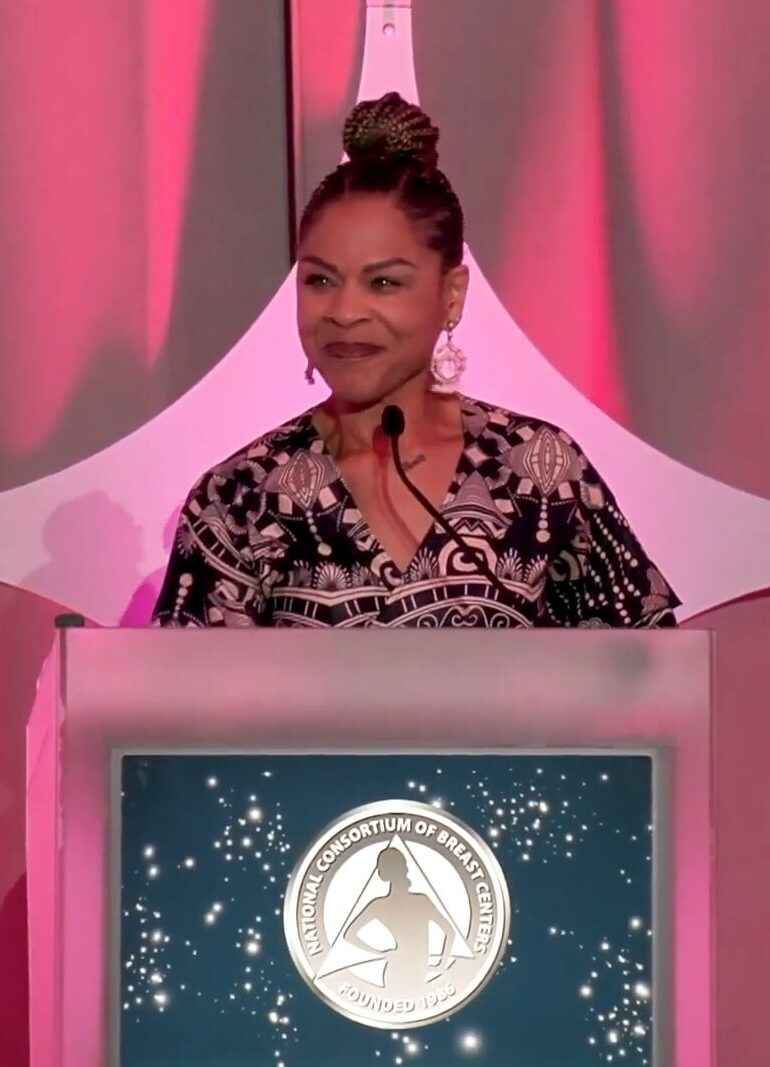
From Diagnosis to Destiny: Transforming Trauma into Purpose in Breast Cancer Care
On October 1, 2008, I crossed a line I never expected to cross.
I went from physician… to patient.
For years, I had stood beside patients and families during some of the most frightening moments of their lives. I understood disease. I understood treatment. I understood the language of medicine.
But nothing could prepare me for the moment when the diagnosis belonged to me.
I found a lump in my right breast.
It was cancer.
When Everything Changed
My breast cancer diagnosis came during an already difficult season of life. My mother, my best friend, had been terminally ill for the previous three years, and my father and I were her caregivers.
I was a physician, a mother, a daughter, and a caregiver — roles that required me to remain strong for everyone around me.
Like many healthcare professionals, I had been trained to hold it together.
We learn to compartmentalize.
We learn to push through.
We learn to deliver devastating news and then move on to the next patient.
Composure becomes competence.
But I learned something important through my own experience:
Holding it together is not the same thing as healing.
The Reality Behind the Diagnosis
My treatment journey included a partial mastectomy, a Level I lymph node dissection with 16 lymph nodes removed (three positive for cancer), 15 rounds of chemotherapy, and 33 radiation treatments.
Then, after only three rounds of chemotherapy, another life-threatening complication emerged.
I developed crushing chest pain and was diagnosed with a congenital cardiac anomaly that caused my right coronary artery to become more than 80% blocked.
Twenty-two stents were attempted.
None worked.
I was deemed inoperable and sent home with lifelong medication.
At 41 years old, I was facing aggressive breast cancer, a potentially life-threatening heart condition, and the impending loss of my mother.
Four weeks after leaving the hospital, my mother died.
The Weight of Caregiving
As a woman of faith, I understood that I was saying goodbye to my mother’s body — not her spirit.
But that body carried me.
It fed me.
It held me.
It protected me.
Watching her mortality while questioning my own felt like living in a paradox.
There was no space between grief and survival.
I wasn’t just grieving my mother.
I was grieving while trying to stay alive.
And in that season, I came to understand something I had previously only observed as a physician:
The incredible weight caregivers carry.
The invisible calculations.
The constant vigilance.
The way caregivers place their own pain on hold because someone else needs them more.
When Survivorship Became Another Diagnosis
I eventually completed treatment and believed the hardest part was behind me.
I was wrong.
In 2010, after participating in my first Susan G. Komen 3-Day walk in Chicago, I experienced another life-changing diagnosis:
Lymphedema.
The lymphatic system damage caused by cancer treatment resulted in permanent swelling of my right arm, hand, and fingers. The condition made performing clinical duties impossible.
And then I heard words no physician, patient, or human being should ever hear:
“A physician who is not clinically capable is of no value to me.”
At that moment, after cancer, heart disease, and loss, I questioned my own value.
But my story was not over.
From Survival to Purpose
I had a choice.
I could focus on everything I had lost.
Or I could take inventory of what I still had.
That choice changed everything.
I realized my life was not over.
It was being recreated.
That realization led me to become the Susan G. Komen 3-Day National Spokesperson, where for six years I traveled across the country educating thousands about breast health and survivorship.
But it also opened my eyes to another unmet need:
The millions of people living with lymphedema who lacked access to the resources necessary to manage their condition.
The Birth of LIVE Today Foundation
In 2017, I founded the LIVE Today Foundation with a mission to provide medically necessary compression garments to under-resourced cancer patients and survivors living with lymphedema.
Because survival should not mean suffering silently.
Since its founding, LIVE Today Foundation has provided more than 700 sets of free compression garments to cancer survivors across the United States.
Because survivorship is not the finish line.
Quality of life matters.
A Message for Healthcare Professionals
My keynote at NCBC was not simply my story.
It was a reminder.
Every patient sitting in front of us has a story beyond their diagnosis.
They have fears.
They have dreams.
They have families.
They have a life they are trying to reclaim.
As healthcare professionals, we have the privilege and responsibility to care for the whole person — not just the disease.
Treatment saves lives.
But compassion, advocacy, and survivorship support help people truly live.
Watch the Full Keynote
From Diagnosis to Destiny: Transforming Trauma into Purpose in Breast Cancer Care
Opening Keynote
National Consortium of Breast Centers (NCBC)
35th Annual Interdisciplinary Breast Center Conference
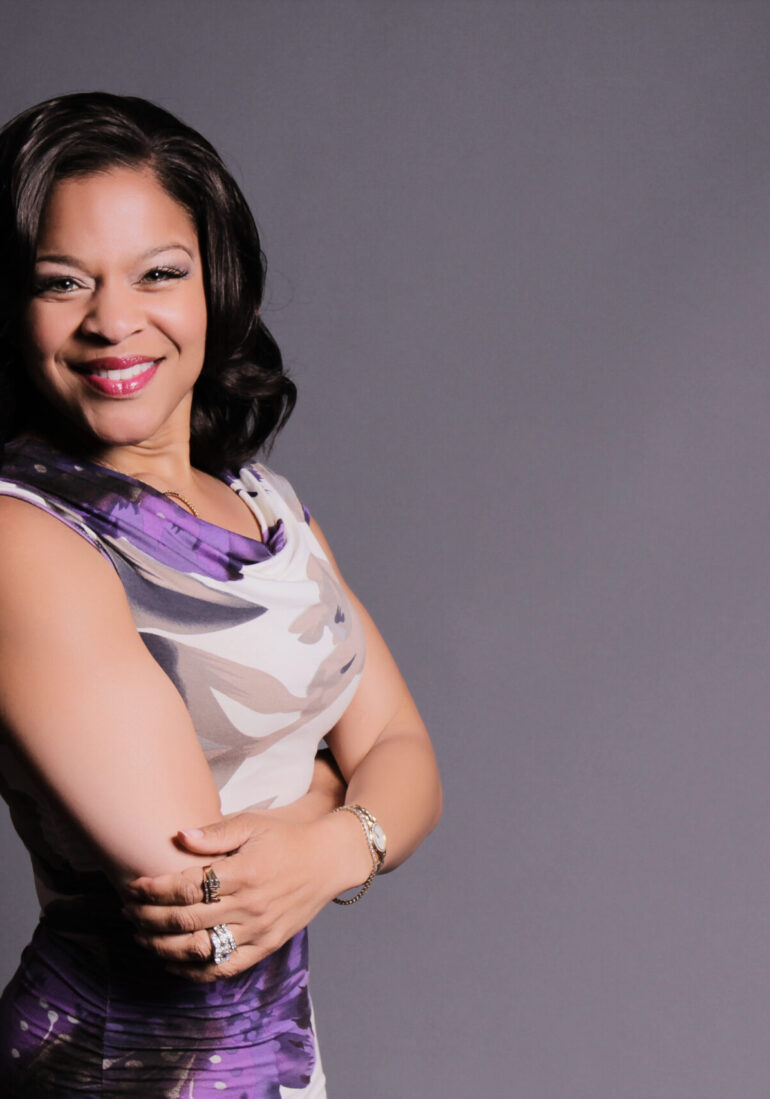
From Physician to Patient: The Journey That Redefined My Purpose
There are moments in life that divide everything into “before” and “after.”
For me, that moment came when I went from being a physician… to becoming a patient.
Up until that point, my life and career had been built on excellence, achievement, and service. I
had spent years training, leading, and caring for others. I understood medicine. I understood
systems. I understood what it meant to show up for patients.
Or at least, I thought I did.
But everything changed when I found myself on the other side of the diagnosis.
In that moment, I was no longer the one providing answers—I was the one searching for them.
No longer the one guiding others through uncertainty—I was the one walking through it.
And in that space, something profound happened.
I gained a perspective that no textbook, training, or title could ever give me.
The Perspective Shift
As physicians, we are trained to focus on outcomes, efficiency, and solutions. We are taught to
diagnose, treat, and move forward.
But as a patient, I experienced something entirely different.
I experienced vulnerability.
I experienced fear.
I experienced the emotional weight that so many patients carry—often silently.
And it was in that space that my understanding of healing began to expand.
Healing is not just physical.
It is emotional. It is spiritual. It is deeply personal.
That realization transformed not only how I see patients—but how I serve people.
When Purpose Is Revealed Through Pain
At the time, I didn’t understand why my journey had taken such an unexpected turn.
Like many people facing life-altering moments, I had questions.
Why is this happening? What does this mean? How do I move forward from here?
But over time, I began to see something I couldn’t see in the moment:
What I thought was loss… was actually alignment.
My experience didn’t take me away from my purpose—it clarified it.
It deepened my compassion. It strengthened my voice. It expanded my mission.
It allowed me to show up not just as a physician—but as someone who truly understands the
patient experience.
A New Way of Leading and Serving
Today, whether I am speaking to organizations, working in healthcare, or ministering to
individuals and communities around the world, I carry both perspectives with me.
The physician. And the patient.
That dual lens has shaped how I approach leadership, health equity, and human connection.
Because true impact doesn’t come from knowledge alone.
It comes from understanding. From empathy. From lived experience.
For Those in the Middle of Their Own “After”
If you are in a season right now where life doesn’t look the way you expected…
Where things feel uncertain, difficult, or unclear…
I want to encourage you with this:
You may not understand it right now.
But your story is not over.
Sometimes the very experiences that challenge us the most are the ones that prepare us for the
greatest impact.
What feels like disruption may actually be alignment.
What feels like loss may actually be purpose being revealed.
Closing Reflection
My journey from physician to patient didn’t take anything away from me.
It gave me something far greater:
Clarity of purpose.
And a deeper understanding of what it truly means to heal, to serve, and to lead.
God Sees the Hidden Woman: A Message of Hope for the Overlooked
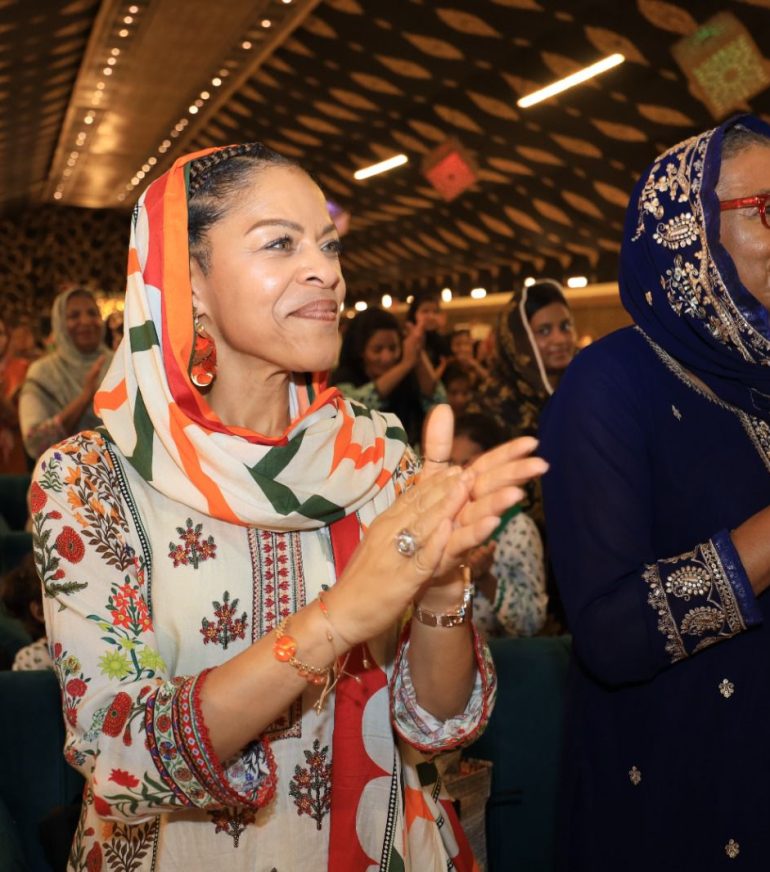
Thousands of women gathered in Southeast Asia for the region’s second-largest women’s conference, and I had the humbling privilege of standing before them to deliver a message that has lived deep in my own spirit: God sees what the world often overlooks.
I didn’t come to that stage because I was strong and unshaken. I came as one who knows what it feels like to be invisible—through cancer, heart disease, divorce, and career loss. Yet in each of those hidden seasons, God showed me that what feels buried is often simply being planted for a greater purpose.
As Matthew 6:4 reminds us:
“Your Father, who sees what is done in secret, will reward you.”

The God Who Sees
In Genesis 16, Hagar—mistreated and cast aside—fled into the desert, alone and pregnant. Yet scripture says: “The angel of the Lord found Hagar near a spring in the desert.” (Gen. 16:7)
God not only found her—He spoke life into her. He gave her a promise of descendants too numerous to count. In awe, Hagar named Him Jehovah El Roi—“The God who sees me.”
He is still the God who sees today. He sees the woman carrying water at sunrise. He sees the mother whispering prayers at midnight. He sees the daughter carrying burdens no one else notices. What is hidden from people is treasured by God.

Hidden Strength
Strength doesn’t always roar. Sometimes it’s silent. Sometimes it’s the kind of strength that shows up day after day, without applause or recognition.
Paul described it best: “We are hard pressed on every side, but not crushed; perplexed, but not in despair; persecuted, but not abandoned.” (2 Cor. 4:8-9)
That is hidden strength. Strength rooted not in ourselves, but in the God who sustains us.

Buried or Planted?
Jesus taught: “Unless a kernel of wheat falls to the ground and dies, it remains only a single
seed. But if it dies, it produces many seeds.” (John 12:24)
When you feel hidden, overlooked, or buried, remember: burial in God’s hands is planting. What looks like the end is often the beginning of transformation.

God Honors the Hidden Woman
I know this from my own journey. In my darkest seasons, when no one saw my pain, God did. He saw not just the strong Dr. Sheri people recognized, but also the weary, broken, and fearful
me. And in seeing me, He lifted me, healed me, and gave me a new assignment: to speak life into others.
What He did for me, He can and will do for you.

Walking It Out
- Believe you are never invisible to Him.
- Receive His strength and mercies every morning.
- Persevere in faith—your harvest is coming.
- Support One Another like Ruth and Naomi, standing together in love.
A Final Word
Hagar said: “I have seen the One who sees me.” And today, you can say the same.
You are seen.
You are valued.
You are honored by God.
And that truth will never change.
Revival Across Tanzania – 9 Days of Healing, Hope & Harvest
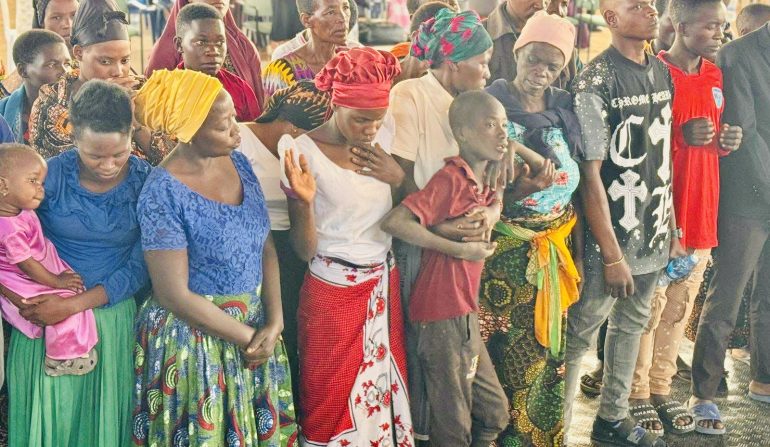
There are no words that can fully express what we witnessed over the course of nine unforgettable days in Tanzania. From Katoro to Mwanza to Kahama, we experienced the power and presence of God in ways that will forever mark our hearts.

As Global Medical Director, Chief Communications Officer, and the Voice of Rod & Staff Global Ministries, I had the honor of once again standing on sacred ground with a team of faithful servants—declaring the name of Jesus, ministering healing to the sick, and watching as the Lord poured out His Spirit in every city we touched.
One Nation, Many Miracles
In each location, the spiritual hunger was undeniable. People came from near and far—some walking long distances, others bringing loved ones in need of deliverance or healing. They didn’t come for a show. They came for a Savior.
The worship was unrestrained. The preaching was Spirit-led. And the atmosphere? Charged with faith.
We saw bodies healed, hearts restored, and souls rescued from darkness. What moved me most was not just the miracles—it was the unity of believers from different regions, gathered with one focus: Jesus.


Tanzania’s Cry Was Met by Heaven’s Response
In Katoro, revival rose from the dust. In Mwanza, chains were broken in the presence of thousands. And in Kahama, the Lord sealed the week with a fresh wind of glory.
It was not simply an event. It was a move of God—sustained, undeniable, and burning still in the hearts of everyone who attended.
I left Tanzania physically exhausted, but spiritually revived. The joy on the faces of those we served, the testimonies of transformation, and the prayers lifted in unison from region to region—they remain with me.


A Ministry of Healing and Witness
 These are not just crusades. They are sacred assignments. They are moments where heaven kisses earth, and the Kingdom advances—not in theory, but in power.
As always, I’m deeply grateful to serve on the frontlines of this global mission. And to Tanzania: thank you for receiving us with open arms and open hearts. The fire has been lit, and I know God will continue the work He started.
To God be the glory for the things He has done.
#DrSheriOnMission | #Tanzania2025 | #HealingHopeFaith | #RodAndStaffGlobal | #KingdomAdvancement | #FaithInAction | #GlobalMinistry | #PurposeInMotion | #WomenInMinistry | #AfricaShallBeSaved | #SpiritLedService | #MedicalMissionsWithPurpose
Why Lymphedema Screening Must Become a Standard Part of Cancer Care
Cancer survivorship is about more than eradicating cancer cells—it’s about the life that comes afterward. For millions of survivors, that life is shadowed by a complication few are warned about: lymphedema.
After my own breast cancer treatment, I developed severe lymphedema in my dominant arm. The swelling and pain forced me to leave my clinical practice and reimagine every part of daily living—from the clothes I wear to how I cook.
In the latest issue of Oncology Times, I shared my story and the urgent call for standardized lymphedema screening. Tools like bioimpedance spectroscopy (BIS), used in the SOZO device, can detect fluid changes before visible swelling starts. Early detection could spare countless survivors the irreversible challenges I now manage every day.
But this is also an equity issue. Black women are 3.5 times more likely to develop lymphedema than White women, yet many lack access to early screening and care. We must change this.
Survivorship should mean living fully—not simply surviving.
I hope you’ll read the article and join me in advocating for change.
 [
[#CancerSurvivorship #LymphedemaAwareness #HealthEquity #LIVEtoday #PatientAdvocacy #OncologyTimes